Table of Contents
- How Peptide Research Supports Healthy Aging
- Understanding Cellular Senescence and Peptide Bioregulators
- Telomere Biology and Mitochondrial Function in Aging Models
- Research Peptide Purity Standards: What Researchers Need to Know
- How to Read a Certificate of Analysis for Peptides
- Safety Protocols for Laboratory Peptide Handling
- Bioavailability and Delivery Methods in Peptide Research
- Measuring Progress: Biomarker Tracking and Metabolic Optimization
- Peptide Research for Healthy Aging: Building Your Protocol
- Frequently Asked Questions
Last Updated: September 28, 2026
How Peptide Research Supports Healthy Aging
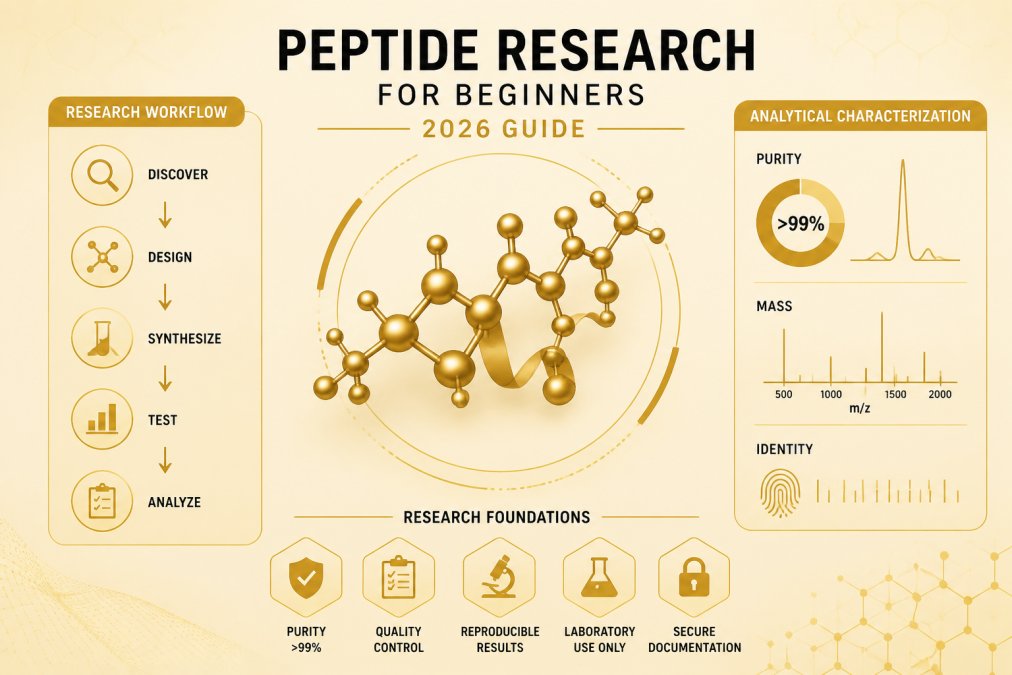
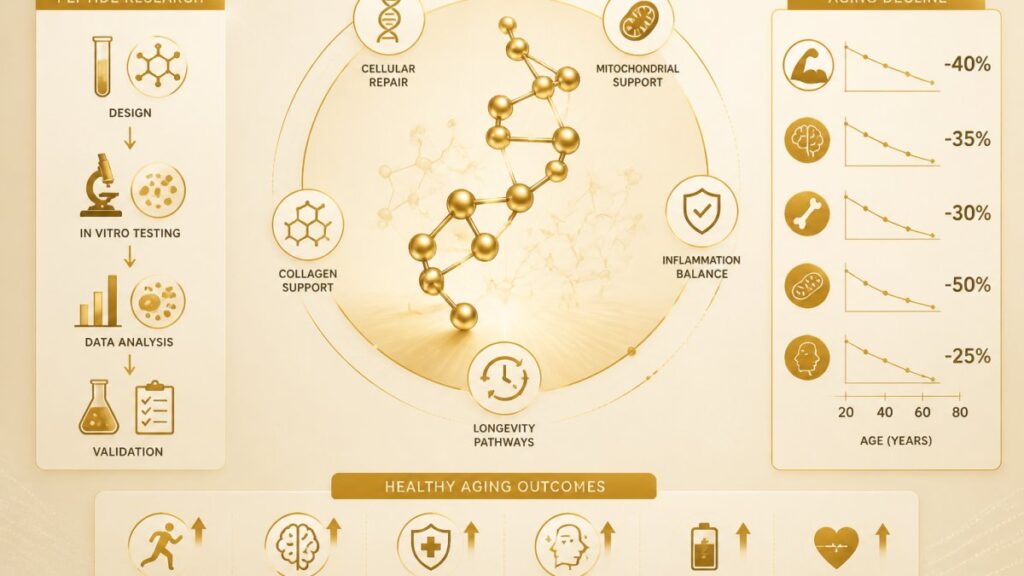
Peptide research for healthy aging represents one of the most promising frontiers in longevity science. These short chains of amino acids function as signaling molecules within your body, orchestrating cellular communication that directly influences how your cells age, repair themselves, and maintain metabolic homeostasis. Unlike broad interventions that claim to slow aging generally, peptide research for healthy aging targets specific biological mechanisms: telomere maintenance, mitochondrial efficiency, cellular senescence reduction, and protein synthesis optimization.
Understanding peptide mechanisms is foundational to designing effective protocols. This guide covers the science, practical protocols, and quality standards that separate legitimate peptide research from speculation.
The most overlooked aspect of peptide research is bioavailability. A theoretically perfect peptide delivers zero results if your body can’t absorb it. Delivery method, subcutaneous, oral, intranasal, changes everything about what you’re actually measuring.
Understanding Cellular Senescence and Peptide Bioregulators
Cellular senescence is the process by which your cells lose their ability to divide and function optimally. These senescent cells accumulate over time, triggering chronic inflammation and accelerating the visible markers of aging. Peptide bioregulators work by modulating cellular signaling pathways that either trigger senescent cells to clear themselves or prevent healthy cells from entering senescence in the first place.
When cells receive the right peptide signals, they upregulate autophagy or trigger apoptosis in damaged cells. Bioregulators restore communication channels that deteriorate with age, allowing cells to repair themselves.
Peptide bioregulators target specific tissue types: immune cells, bone, muscle, or systemic pathways. This tissue specificity is why personalized stacking protocols matter, a peptide effective for muscle recovery may not address cognitive function.
A common mistake is assuming all peptides in a category work the same way. Bioregulators targeting cellular senescence operate through different pathways than those promoting protein synthesis. Mixing them without understanding the mechanisms can create hormetic stress instead of adaptation.
Telomere Biology and Mitochondrial Function in Aging Models
Telomere length serves as a biological clock for cellular aging. Peptide research for healthy aging increasingly focuses on telomerase activation, the enzyme that rebuilds telomere length, though results in human models remain mixed.
Mitochondrial function declines with telomere shortening. Accumulated damage reduces ATP production and increases oxidative stress. Peptides enhancing mitochondrial biogenesis address this decline directly.
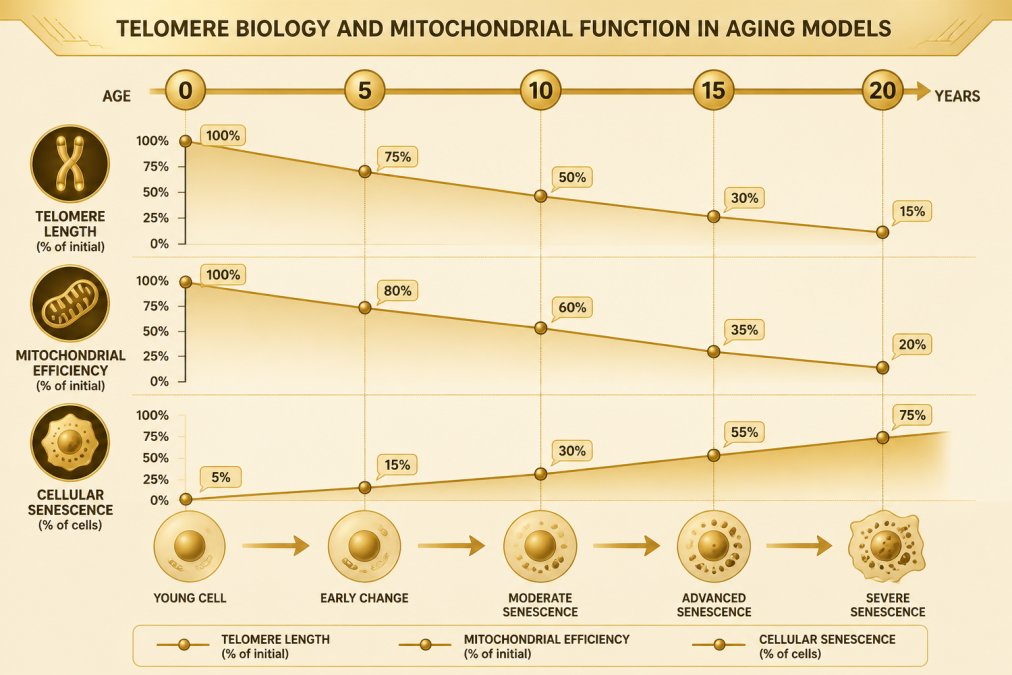
Effective protocols address both telomere maintenance and mitochondrial optimization simultaneously, though individual variation in response is substantial.
Measuring these changes requires specific biomarkers: telomere length (qPCR or flow cytometry) and mitochondrial function (ATP production, oxygen consumption, ROS levels). Baseline measurements and periodic reassessment are essential.
Research Peptide Purity Standards: What Researchers Need to Know
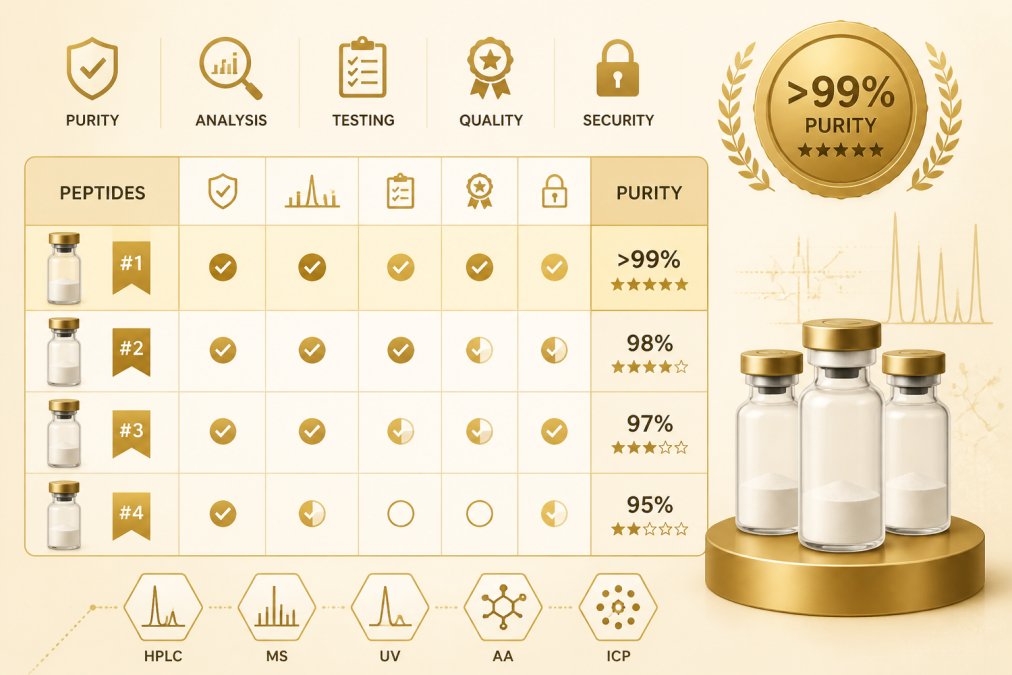
Purity standards define whether your research compounds are what they claim to be. A peptide labeled 99% pure could contain 1% contaminants that skew results. Independent third-party testing is the foundation of reproducible research.
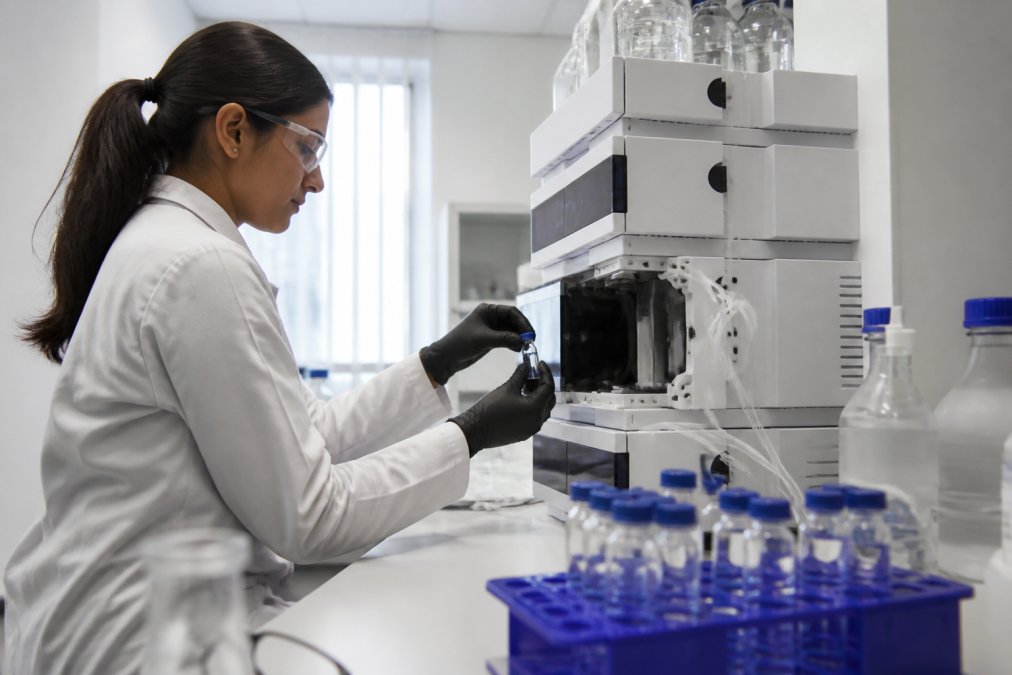
HPLC and mass spectrometry are gold standards for purity verification. Legitimate research suppliers run every batch through these tests and provide documentation.
PepAlphatides maintains purity levels exceeding 99% for every product, verified through independent third-party laboratory testing. This isn’t marketing language, it’s a measurable commitment that shows up in your Certificate of Analysis. When you’re designing a protocol around specific peptide concentrations, contaminants at even the 1% level introduce variables you can’t control.
Purity standards directly determine research validity. A 95% pure peptide introduces five percentage points of unknown variables into every measurement you take. At 99%+ purity, you’re controlling the one variable that matters most: what you’re actually studying.
How to Read a Certificate of Analysis for Peptides
A Certificate of Analysis (COA) proves the peptide matches what you ordered. It should list peptide name, batch number, purity percentage, testing methods, and detected impurities.
Verify the batch number matches your vial and testing date is within 30 days of order. Purity should be a specific number (99.2%, not “exceeds 99%”). HPLC with UV detection is standard; mass spectrometry adds confidence.
The impurities section should list what the 1% actually contains. Water is harmless; contamination with a structurally similar peptide could confound results.
PepAlphatides provides individual COAs for every batch, accessible via secure QR codes on vials. This means you can verify purity before using the compound, not after. The QR code links directly to the batch-specific documentation, eliminating any ambiguity about which test results apply to your purchase.
Safety Protocols for Laboratory Peptide Handling
Safety in peptide research requires understanding contraindications, long-term safety profiles, and medication interactions. Many peptides studied for healthy aging lack extensive long-term human safety trials, making informed risk assessment essential.
Storage and Stability: Foundation of Safety
Most lyophilized peptides remain stable at 2-8°C for 12-24 months or -20°C for 24+ months. Room temperature storage accelerates degradation. Check your COA for peptide-specific storage recommendations.
Repeated freeze-thaw cycles cause peptide aggregation and loss of bioactivity. Maintain -20°C without thawing until use. Reconstituted peptides are less stable; use within 24-48 hours if refrigerated.
Store peptides in amber vials away from direct light. Keep desiccant packs in storage containers and minimize air exposure.
Sterility and Contamination Risk
Use only bacteriostatic water or sterile saline when reconstituting peptides. Never use tap water or non-sterile solutions.
Maintain aseptic technique: use sterile syringes and needles, clean injection sites with alcohol prep pads, and never reuse needles. Contaminated solutions can cause local or systemic reactions. For researchers over 65, sterility is critical due to age-related immune decline.
If a reconstituted peptide shows cloudiness, discoloration, or particulates, discard it immediately. These are signs of bacterial growth or peptide precipitation, either of which compromises safety and research validity.
Long-Term Safety: What We Know and Don’t Know
Most peptides studied for healthy aging lack extensive long-term human safety data. Clinical trials typically run 12-24 weeks; safety beyond this timeframe is largely extrapolated from shorter studies or animal models.
Common adverse effects include local injection site reactions (pain, redness, swelling) and mild systemic effects (headache, fatigue, appetite changes). Researchers with autoimmune conditions, active infections, or recent vaccinations may have heightened immune responses.
Accumulation risk is poorly understood for most peptides. Long-term protocols (6+ months) should include periodic kidney and liver function assessment. Baseline renal function is important for researchers over 65, as age-related decline affects peptide clearance.
Contraindications and Drug Interactions
Peptides can interact with existing medications. Some affect insulin sensitivity (relevant for diabetes medications), others modulate immune function (affecting immunosuppressants), and some affect blood pressure or cardiovascular function.
Common medication interactions to consider:
- Diabetes medications (metformin, sulfonylureas, insulin): Peptides enhancing insulin sensitivity may potentiate these drugs, increasing hypoglycemia risk. If using these medications, monitor fasting glucose closely and adjust dosing with your physician.
- Anticoagulants (warfarin, apixaban): Some peptides affect platelet function or fibrinolysis. If you’re on anticoagulants, discuss peptide use with your prescribing physician before starting.
- Blood pressure medications: Peptides affecting endothelial function or vascular tone may interact with ACE inhibitors, beta-blockers, or calcium channel blockers. Monitor blood pressure regularly if combining peptides with antihypertensive drugs.
- Immunosuppressants: Peptides modulating immune function (particularly those targeting T-cell or macrophage activity) may interfere with immunosuppressive therapy. This is especially relevant for researchers with autoimmune conditions or post-transplant status.
- Thyroid medications: Some peptides affect thyroid hormone metabolism. If you’re on levothyroxine or other thyroid drugs, monitor TSH and free T4 at baseline and periodically during peptide use.
Before starting any peptide protocol, provide your physician with a complete list of current medications and supplements. This is essential for researchers over 60 or those with chronic conditions.
Age-Related Safety Considerations
Researchers over 65 face elevated risks: reduced renal clearance (slowing peptide elimination), altered immune response (stronger inflammatory responses), polypharmacy (increasing interaction risk), and comorbidities (diabetes, hypertension, cardiovascular disease, kidney disease). Baseline organ function assessment is essential.
Baseline laboratory work should include complete metabolic panel, fasting glucose or HbA1c, lipid panel, and complete blood count. Repeat every 8-12 weeks during protocols lasting longer than 12 weeks.
Documentation and Adverse Event Tracking
Maintain detailed records of any adverse effects: injection site reactions (size, duration, appearance) and systemic symptoms (timing, severity, duration). This helps identify patterns indicating true adverse effects.
If you experience unexpected symptoms, pause your protocol and consult your physician with peptide batch numbers and administration dates.
When to Pause or Stop
Stop your peptide protocol immediately if you experience:
- Signs of infection at injection sites (increasing redness, warmth, pus, fever)
- Severe allergic reactions (difficulty breathing, facial swelling, severe rash)
- Chest pain, severe headache, or neurological symptoms
- Unexplained changes in blood glucose, blood pressure, or heart rhythm
- Any symptom you cannot explain or that concerns you medically
Pausing is appropriate if you develop a new medical condition, start a new medication, or experience persistent mild adverse effects that don’t resolve within 2-3 weeks. Resuming after a pause requires the same careful baseline assessment as starting a new protocol.
Peptide research for healthy aging is fundamentally about extending healthspan, not creating new health risks. Rigorous safety protocols, storage, sterility, baseline assessment, interaction screening, and adverse event tracking, are not bureaucratic overhead. They’re the infrastructure that makes your research meaningful and protects your long-term health.
Bioavailability and Delivery Methods in Peptide Research
Bioavailability, the percentage of a peptide that reaches systemic circulation unchanged, is the single most critical variable separating theoretical efficacy from measurable results. A peptide with perfect cellular mechanism means nothing if your body destroys it before it reaches target tissue. This is why delivery method selection directly determines whether your research protocol yields clear data or inconclusive noise.
Oral Administration: Convenience vs. Reality
Most peptides administered orally are hydrolyzed by gastric acid and proteolytic enzymes before reaching the bloodstream (Checking your browser). Bioavailability for unmodified peptides typically ranges from 1-5%. Some manufacturers claim higher absorption through enteric coating, but independent verification remains limited.
Oral administration’s only advantage is compliance. For research purposes, this convenience comes at the cost of experimental clarity, oral delivery introduces absorption variability that obscures peptide effects.
Subcutaneous Injection: The Research Standard
Subcutaneous injection achieves bioavailability of 80-95% for most peptides. This is the gold standard for peptide research because it eliminates the absorption variable, allowing measurement of actual pharmacodynamic effects.
Subcutaneous administration requires sterile technique, appropriate injection sites (abdomen, thigh, upper arm), and consistent depth (5-8 mm). Rotate sites to prevent lipohypertrophy. Control timing relative to exercise and meals for reproducibility.
Dosing frequency depends on peptide half-life. Short-acting peptides require daily or twice-daily dosing; longer-acting peptides allow once-daily or every-other-day protocols. Specify injection timing relative to meals, exercise, and sleep.
Intranasal Administration: Neuropeptide-Specific Advantage
Intranasal delivery delivers peptides directly to olfactory epithelium, which has direct neural connections to the central nervous system. For peptides targeting cognitive function or neuroinflammation, intranasal administration achieves CSF concentrations that subcutaneous injection cannot match.
Intranasal bioavailability is 40-70% for systemic circulation, with higher CSF penetration than intravenous administration for certain peptides. Trade-offs include less convenience and absorption variability with nasal congestion or anatomical variation.
Intranasal protocols require consistent technique and timing relative to nasal saline rinses or decongestants. Dosing is typically lower (50-100 mcg vs. 500-2000 mcg) due to higher CNS bioavailability.
Transdermal and Topical: Limited Application
Peptides larger than approximately 500 Daltons penetrate skin poorly without chemical enhancers. Most bioregulatory peptides exceed this threshold, making transdermal delivery impractical for systemic effects. Topical application works only for local tissue effects.
If a supplier claims transdermal peptide delivery for systemic aging effects, verify the claim independently. Most topical peptide products deliver local effects only, not systemic bioavailability.
Choosing Delivery Method Based on Research Question
Your delivery method selection must align with your specific research hypothesis. If you’re measuring systemic metabolic effects (insulin sensitivity, mitochondrial ATP production, inflammatory markers), subcutaneous injection provides the clearest data. If you’re investigating cognitive function, neuroinflammation, or neuroendocrine aging, intranasal delivery is more relevant. Oral administration is appropriate only for preliminary screening or if your hypothesis specifically addresses gastrointestinal absorption and metabolism.
Mixing delivery methods within a single protocol introduces confounding variables. A 12-week protocol using oral peptides for weeks 1-4, then switching to subcutaneous for weeks 5-12, makes it impossible to distinguish delivery method effects from time-dependent peptide effects. Commit to one delivery method for the entire protocol, establish baseline biomarkers before starting, and measure at consistent intervals.
The most rigorous peptide research protocols specify delivery method in the hypothesis, justify that choice based on bioavailability and target tissue penetration, and maintain consistent administration technique throughout. When you read published peptide research, the delivery method is often the first clue to whether the results are reproducible or confounded by absorption variability.
Measuring Progress: Biomarker Tracking and Metabolic Optimization
Measuring progress requires specific, quantifiable biomarkers tied to your research hypothesis. Vague outcomes like “feeling better” or “more energy” don’t constitute research data. Measurable biomarkers might include fasting glucose, insulin sensitivity, inflammatory markers (IL-6, TNF-α), or tissue-specific measurements like muscle protein synthesis rates.
Baseline measurements are essential. Before starting any peptide protocol, establish your starting point for every biomarker you plan to track. This allows you to measure actual change rather than guessing whether something shifted. Baseline testing typically includes metabolic panels, inflammatory markers, and hormone levels depending on your research focus.
Frequency of testing matters. Some biomarkers change rapidly (glucose, cortisol); others shift over weeks or months (muscle mass, bone density). A reasonable testing schedule might include metabolic panels monthly and deeper assessments quarterly. Oversampling wastes resources; undersampling misses important trends.
Metabolic optimization, the actual goal of most peptide research, requires understanding what you’re optimizing for. Improved mitochondrial ATP production? Better insulin sensitivity? Enhanced protein synthesis? These require different biomarkers and different peptide selections. Clarity on your specific optimization target prevents scattered protocols that measure everything and conclude nothing.
Peptide Research for Healthy Aging: Building Your Protocol
Building an effective peptide research for healthy aging protocol starts with defining your specific hypothesis. Are you investigating cellular senescence reduction? Telomere maintenance? Mitochondrial efficiency? Tissue regeneration? Each target requires different peptides, dosing schedules, and measurement approaches.
Protocol design should include baseline measurements, peptide selection with clear rationale, dosing schedules based on peptide half-life and mechanism, administration method, and measurement intervals. A typical protocol might run 12-16 weeks, allowing sufficient time for cellular changes to manifest while remaining manageable for consistent tracking.
Personalized stacking, combining multiple peptides targeting complementary pathways, requires understanding potential synergies and interactions. A peptide promoting cellular senescence clearance might synergize with one enhancing mitochondrial function, but combining peptides with overlapping mechanisms wastes resources. This is where deep understanding of mechanism matters more than following a generic protocol.
Documentation throughout your protocol creates the research record. Record every administration date, time, dose, batch number, and any observations. This creates reproducibility and identifies variables that affect outcomes. Researchers who maintain meticulous records can identify what actually worked versus what seemed promising but didn’t deliver measurable results.
PepAlphatides supports this protocol-building process by providing consistent, verified compounds. When your research compounds maintain purity exceeding 99% across every batch, you eliminate one major variable, compound quality, allowing you to focus on protocol design and biomarker measurement.
Researchers new to peptide work who need reliable compounds with complete batch transparency and aren’t willing to compromise on purity verification. The individual COAs and QR-coded documentation eliminate guesswork about what you’re actually studying.
Peptide research for healthy aging demands precision at every step, from understanding cellular mechanisms through biomarker tracking. The research compounds you choose determine whether your protocol yields reliable data or inconclusive results. According to the National Institutes of Health’s aging research guidelines, reproducibility in longevity studies depends fundamentally on compound purity and consistent administration protocols.
Working with verified research materials from suppliers like PepAlphatides, where every batch undergoes independent third-party testing and includes individual Certificates of Analysis, removes a critical source of experimental noise. When you’re measuring subtle changes in cellular senescence, telomere biology, or mitochondrial function, controlling compound quality isn’t optional. It’s the foundation that makes your entire protocol meaningful.
Start with clear hypotheses, establish baseline biomarkers, and commit to consistent documentation. Your research compounds should be the most reliable component of your protocol. That reliability comes from verified purity, transparent testing, and the kind of batch-specific documentation that lets you trace exactly what you studied and why it matters.
Frequently Asked Questions
What does a Certificate of Analysis actually tell you about peptide purity?
A Certificate of Analysis (COA) documents the results of third-party testing and confirms the purity percentage of a peptide batch. For research-grade compounds, you should see purity levels exceeding 99%. The COA includes the testing methodology, batch number, and specific impurities detected. This documentation proves the peptide meets stated specifications and ensures consistency across batches, which is critical for reliable experimental results. Always verify the COA comes from an independent laboratory, not the supplier itself.
Which peptides show the most promise in current research for healthy aging?
Peptides that modulate cellular communication, support telomere maintenance, and enhance mitochondrial efficiency are central to aging research. Bioregulators that target signaling molecules involved in cellular repair and protein synthesis demonstrate therapeutic potential in longevity science. NAD+ precursor peptides and those supporting metabolic homeostasis are also heavily researched. However, research is ongoing, and the most relevant peptides depend on your specific research focus, whether that’s tissue regeneration, metabolic optimization, or addressing cellular senescence.
Why do research-grade peptides cost more than other options?
Research-grade peptides undergo independent third-party testing to verify purity exceeding 99%, which adds significant cost. Each batch receives individual Certificates of Analysis documenting exact composition and impurity profiles. This testing, documentation, and quality assurance infrastructure ensures consistency and reliability for rigorous experimental work. The higher price reflects the investment in transparency and the precision required for scientific research, factors that directly impact the validity of your results.
What are the key safety considerations when handling research peptides?
Research peptides require proper storage in cool, dry conditions to maintain stability and prevent degradation. Use appropriate personal protective equipment when handling, including gloves and eye protection, depending on the peptide’s properties. Maintain sterile technique during preparation to prevent contamination that could compromise results. Follow institutional biosafety guidelines and keep detailed records of all handling procedures. Never exceed recommended concentrations or administration volumes.