Quick Summary
Improving metabolic health with GLP-1 starts with daily habits that support how your body manages blood sugar, appetite, and energy. Eat fiber-rich foods, prioritize lean protein and healthy fats, lift weights, move daily, protect sleep, and review vitamins and markers with your clinician.
- Fill half your plate with vegetables and add beans or whole grains to lunch and dinner.
- Aim for 1.2 to 1.6 grams of protein per kilogram of body weight per day for adults losing weight.
- Strength train two to three days per week, working all major muscle groups.
- Walk 10 minutes after each meal to support blood sugar control.
- Track fasting glucose, HbA1c, and blood pressure, reviewing them with your clinician every three to six months.
Table of Contents
- How GLP-1 Affects Appetite, Digestion, and Blood Sugar
- Step 1: Build Meals Around Fiber-Rich Foods That Increase GLP-1 Naturally
- Step 2: Prioritize Lean Protein and Healthy Fats
- Step 3: Lift Weights to Maintain Muscle While Taking GLP-1
- Step 4: Move Daily and Learn How to Speed Up Metabolism While on GLP-1
- Step 5: Protect Sleep, Manage Stress, and Support Gut Health
- Step 6: Review the Best Vitamins to Take While on GLP-1 With Your Clinician
- Step 7: Track Metabolic Health Markers and Set Realistic Expectations
- Medication Safety Considerations and Personalizing Your Plan
- Your Next Step: Review Your Plan With a Clinician and Research Partner
- Frequently Asked Questions
How to Improve Metabolic Health with GLP-1: 7 Steps
Last Updated: November 12, 2026
How GLP-1 Affects Appetite, Digestion, and Blood Sugar
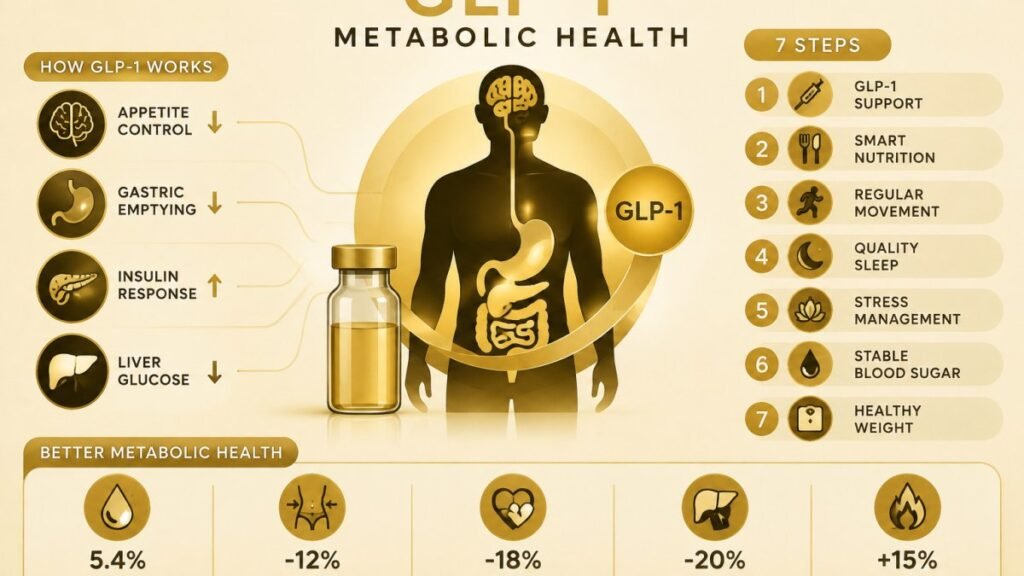
Metabolic health depends on how well your body manages blood sugar, appetite, and energy. GLP-1 is a hormone your gut releases after you eat, and it plays a major role in all three. GLP-1 stands for glucagon-like peptide-1, and it is an incretin hormone. Medications that mimic it are called GLP-1 receptor agonists.
Use of these medicines has grown fast. Gallup report on U.S. GLP-1 usage in 2026
Here is what the research shows about how GLP-1 works:
- Appetite: GLP-1 signals fullness to the brain, so you feel satisfied sooner.
- Digestion: It slows stomach emptying, which keeps food in your stomach longer.
- Blood sugar: It helps the body release insulin when blood sugar rises.
Review on metabolic responses to glucagon-like peptide-1
Your daily habits can support these effects. Food, movement, sleep, and stress all shape how well your body responds. The seven steps below show how to build those habits around your metabolic health goals.
Step 1: Build Meals Around Fiber-Rich Foods That Increase GLP-1 Naturally
Fiber-rich foods help support the natural release of GLP-1 after meals. Soluble fiber slows digestion, which can help you feel full longer.
Good fiber sources include:
- Beans, lentils, and chickpeas
- Oats and other whole grains
- Berries, apples, and pears
- Broccoli, Brussels sprouts, and leafy greens
Aim to fill half your plate with vegetables at every meal. Add a serving of beans or whole grains to lunch and dinner. Start slowly if you are not used to much fiber, so your stomach can adjust.
Step 2: Prioritize Lean Protein and Healthy Fats
Protein and fat do more than make meals satisfying. They help preserve lean mass during weight loss, stabilize blood sugar, and support the slower digestion that GLP-1 medicines already encourage. For people using GLP-1 receptor agonists, protein intake deserves extra attention because reduced appetite can easily lead to undereating protein.
How much protein. A common target is 1.2 to 1.6 grams of protein per kilogram of body weight per day for adults losing weight, though individual needs vary with age, activity, and kidney health. For a 180-pound adult, that is roughly 98 to 131 grams daily. Spread protein across meals rather than loading it all at dinner; 25 to 40 grams per meal is a practical anchor.
Lean protein choices include:
- Chicken breast and turkey
- Fish, especially salmon for omega-3 fatty acids
- Eggs and Greek yogurt
- Tofu, tempeh, lentils, and edamame
- Cottage cheese and low-fat dairy
Why healthy fats matter. Fat slows gastric emptying and adds palatability, which helps when appetite is low. Monounsaturated and omega-3 fats also support cardiovascular health, a relevant concern because GLP-1 medicines are often prescribed in people with elevated cardiometabolic risk.
Healthy fats to include:
- Monounsaturated fats: olive oil, avocado, nuts, and seeds
- Omega-3 fatty acids: salmon, sardines, walnuts, and flaxseed
- Polyunsaturated fats: soybean oil, sunflower seeds, and walnuts
Aim for fats to make up roughly 25 to 35 percent of daily calories, with an emphasis on unsaturated sources. Saturated fat from processed meats and fried foods is best kept modest.
Meal timing with GLP-1 medicines. Nausea and early fullness are common, especially after dose increases. Smaller, protein-forward meals eaten slowly can help. Some people find a protein-rich breakfast easier than a large dinner. Hydration matters too; aim for water throughout the day rather than large volumes with meals.
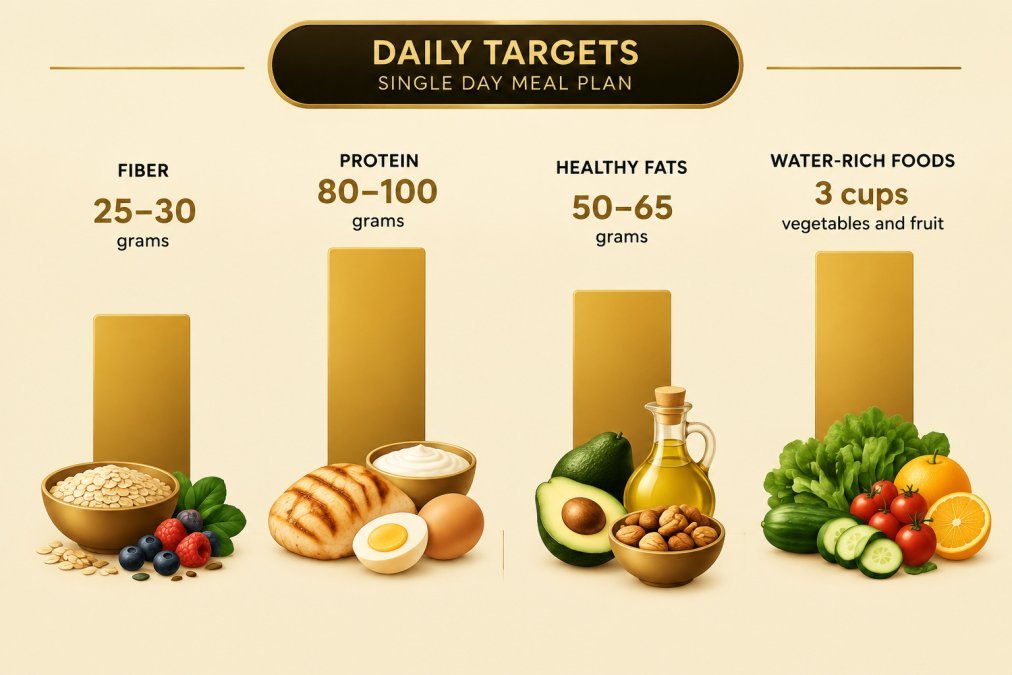
Sample daily targets help you plan. The chart below shows how one day of meals can cover fiber, protein, healthy fats, and water-rich foods.
Watch out: Very low protein intake combined with rapid weight loss can accelerate muscle loss, so review your protein target with a qualified health professional if you are unsure.
Protein and healthy fat targets the article gives for building meals around GLP-1 medicines:
| Nutrient | Target or example | Note |
|---|---|---|
| Protein per kg body weight | 1.2 to 1.6 g per day | Common target for adults losing weight |
| Protein per meal | 25 to 40 g | Practical anchor for each meal |
| Fats share of daily calories | 25 to 35 percent | Emphasize unsaturated sources |
| Omega-3 sources | Salmon, sardines, walnuts | Support cardiovascular health |
| Monounsaturated sources | Olive oil, avocado, nuts | Include in regular meals |
Step 3: Lift Weights to Maintain Muscle While Taking GLP-1
Weight loss can reduce lean muscle along with fat. Muscle matters for strength, balance, and metabolic health. Resistance training is the best way to protect it.
Try this simple routine:
- Strength train 2 to 3 days per week
- Work all major muscle groups: legs, hips, back, chest, and core
- Use weights that feel challenging for 8 to 12 repetitions
- Eat enough protein on training days
Pairing lifting with adequate protein helps you keep muscle while your weight changes.
Step 4: Move Daily and Learn How to Speed Up Metabolism While on GLP-1
Daily movement supports blood sugar control and helps with calorie use. Walking is one of the easiest ways to start.
Simple ways to move more:
- Walk 10 minutes after each meal
- Take the stairs when you can
- Stand up and stretch every hour during long workdays
- Add one longer walk or bike ride each week
Your body also uses more energy when it builds muscle. That is one reason resistance training and daily movement work well together.
Step 5: Protect Sleep, Manage Stress, and Support Gut Health
Poor sleep and high stress can disrupt appetite hormones and blood sugar. Gut health also plays a role in digestion and inflammation.
Habits that help:
- Aim for 7 to 9 hours of sleep each night
- Keep a consistent bedtime and wake time
- Try breathing exercises or short walks to lower stress
- Eat fiber and fermented foods to support your gut microbiome
Probiotic foods like yogurt, kefir, and sauerkraut can add helpful bacteria to your diet. Talk with your clinician before starting a supplement.
Step 6: Review the Best Vitamins to Take While on GLP-1 With Your Clinician
Reduced food intake can leave gaps in some nutrients. Vitamins and minerals support energy, bones, and overall health.
Nutrients to ask your clinician about:
- Vitamin D and calcium for bone health
- Vitamin B12, especially if you eat little animal food
- Iron, particularly if you menstruate or have low intake
- Magnesium for muscle and nerve function
Do not start supplements on your own. Your clinician can check your levels and recommend what fits your needs.
Step 7: Track Metabolic Health Markers and Set Realistic Expectations
Tracking helps you see progress beyond the scale, but the value comes from measuring consistently and interpreting the numbers correctly. No single metric is diagnostic; trends across several markers matter more than any one reading.
Core markers and how they are measured:
- Fasting blood glucose: a blood draw after at least 8 hours without eating. Common reference ranges are roughly 70 to 99 mg/dL for fasting glucose, though your clinician sets your target.
- HbA1c: reflects average blood sugar over about three months. A common goal for many adults is below 7 percent, but targets vary with age and health history.
- Blood pressure: measured with a validated cuff after five minutes of rest. Typical healthy readings are below 120/80 mm Hg.
- Triglycerides and HDL cholesterol: part of a standard lipid panel. Triglycerides under 150 mg/dL and HDL above 40 mg/dL for men or 50 mg/dL for women are common reference points.
- Waist circumference: measured at the navel with a tape measure. Elevated risk is often flagged above 40 inches for men and 35 inches for women, though thresholds differ by population.
- Insulin sensitivity: estimated through fasting insulin, glucose, or a calculated index; your clinician can interpret these together.
What the evidence supports. A review in the Journal of the American College of Cardiology reports that GLP-1 medicines lower blood glucose and body weight and reduce rates of chronic kidney disease and myocardial events. Review on the expanding benefits of GLP-1 medicines That is strong evidence for medication effects. Natural GLP-1 release from food and movement is supported by smaller and often short-term studies, so treat those benefits as supportive rather than equivalent to prescription therapy.
Realistic timelines. Appetite changes may appear within days, but meaningful changes in HbA1c, triglycerides, and waist circumference typically take three to six months. Weight loss often plateaus, and that is normal. Review your markers with your clinician every three to six months, or more often if you have diabetes or kidney disease.
Personalization. People with diabetes may track glucose more closely; those with kidney disease may need protein and potassium guidance; people with a history of eating disorders need tailored support. A registered dietitian nutritionist can help translate numbers into a plan.
Watch out: Home glucose meters and wearable devices are useful for trends but are not substitutes for laboratory tests your clinician orders.
Medication Safety Considerations and Personalizing Your Plan
GLP-1 medications are prescription drugs with possible side effects, including nausea, constipation, and diarrhea. Eating smaller meals and staying hydrated can ease some of these effects. Tell your clinician about any symptoms that persist.
Personalization matters. People with diabetes, kidney disease, or a history of eating disorders need tailored guidance. Supportive care can include group visits, registered dietitian nutritionist counseling, telehealth, and digital platforms. Article on nutritional priorities to support GLP-1 therapy for obesity
Read more about long-term safety in our guide to is GLP-1 safe for long-term research? and browse our peptide research blog for related deep dives.
Your Next Step: Review Your Plan With a Clinician and Research Partner
Start with one or two habits from this list, then build from there. Bring your questions about medications, vitamins, and monitoring to your clinician.
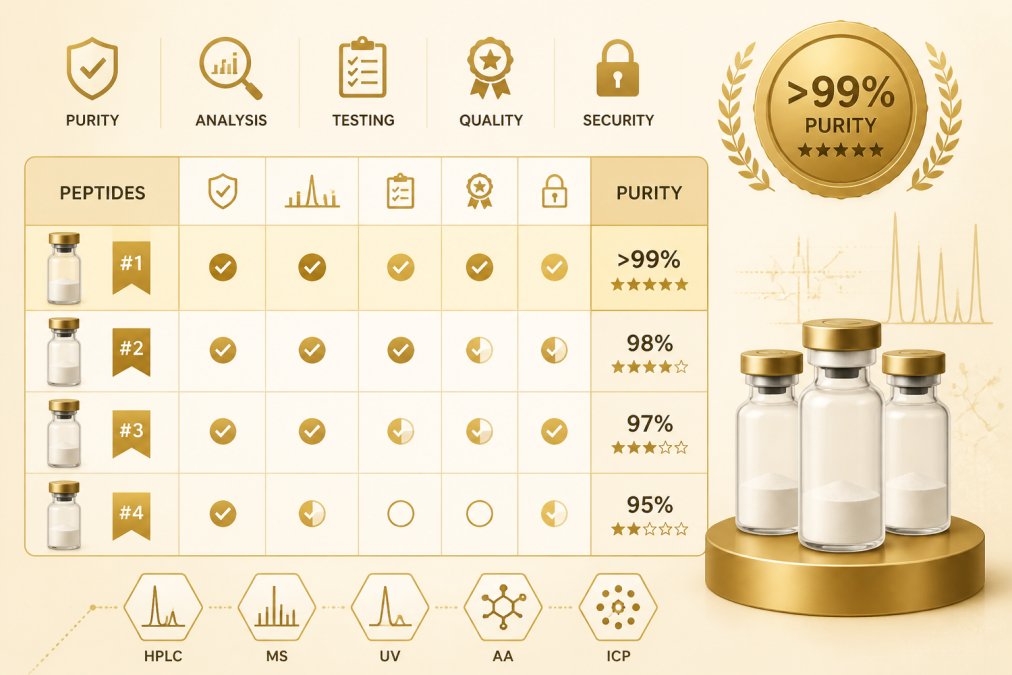
If you want to learn how to find trustworthy documentation for research materials, read our step-by-step guide to verified peptide reports. Our team at PepAlphatides publishes third-party testing details and a Certificate of Analysis for every product, so you can review purity before you buy. Learn how to interpret a Certificate of Analysis and purity data for your own materials. Our research compounds are third-party tested for purity above 99%, with secure QR-coded reports on every vial. Pricing depends on quantity and delivery, so check our website for current prices and a quote.
Frequently Asked Questions
How can you speed up metabolism while on a GLP-1 medication?
Metabolism is shaped mainly by muscle mass, daily movement and total energy intake, so the most reliable approach is resistance training, regular walking or other physical activity, and adequate protein. Research summarized in the 2025 review in the Journal of the American College of Cardiology describes GLP-1 medicines lowering blood glucose and body weight, but it does not promise faster metabolism. Discuss any changes with your clinician, especially if you take other medications.
Do you need vitamins while taking a GLP-1 medication?
Reduced food intake can make it harder to meet nutrient needs, which is why a clinician or registered dietitian may review your diet and any supplement plan. Common candidates to discuss include a multivitamin, vitamin D, and calcium if intake is low. Supplements are not regulated like prescription drugs in the United States, so choose products with third-party verification and confirm doses with a healthcare professional.
How do you maintain muscle while losing weight on a GLP-1 medication?
Keep protein intake consistent across the day and combine it with progressive resistance training two to three times per week. The 2025 article Nutritional Priorities to Support GLP-1 Therapy for Obesity lists registered dietitian counseling, group visits and telehealth as supportive strategies, which can help you set protein targets. Muscle preservation depends on both nutrition and training, so one without the other is usually less effective.
What side effects should you discuss with your clinician while taking GLP-1?
Nausea, vomiting, constipation, diarrhea and reduced appetite are commonly discussed side effects, and dehydration can follow if intake drops. Report persistent gastrointestinal symptoms, signs of pancreatitis such as severe abdominal pain, or any concerns about gallbladder problems. Your clinician can adjust your plan and tell you which symptoms require prompt medical attention.